
LC1D258E7
د.إ0.00
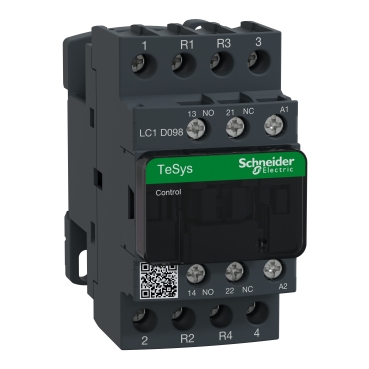
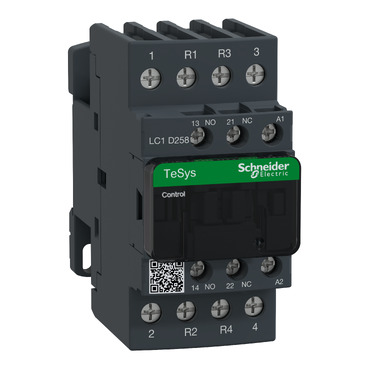
The LC1D258E7 is a high-performance contactor from Schneider Electric’s TeSys D series. In simple terms, a contactor is like a heavy-duty switch. It allows you to turn large electrical loads on and off safely using a control signal.
Description
LC1D258E7
Schneider Electric LC1D258E7 – Complete Guide, Specifications, Uses, and Buying Tips
Introduction to Schneider Electric
When it comes to electrical equipment, Schneider Electric is a name that instantly inspires trust. Think of it like the backbone of modern electrical infrastructure—quietly working behind the scenes, keeping machines running and systems safe. With decades of global experience, Schneider Electric has become synonymous with reliability, innovation, and energy efficiency.
Among its wide portfolio, contactors play a crucial role, and one standout product is the Schneider Electric LC1D258E7. If you’re dealing with motor control, industrial automation, or power switching, this device is worth knowing inside out.
What Is the LC1D258E7 Contactor?
The LC1D258E7 is a high-performance contactor from Schneider Electric’s TeSys D series. In simple terms, a contactor is like a heavy-duty switch. It allows you to turn large electrical loads on and off safely using a control signal.
This specific model is designed for controlling motors and other high-current loads with precision and durability. Whether it’s an industrial plant or a commercial setup, LC1D258E7 is built to handle demanding environments without breaking a sweat.
Understanding the TeSys D Series
Why TeSys D Is Popular Worldwide
The TeSys D series is one of Schneider Electric’s most successful product lines. Why? Because it strikes the perfect balance between compact design, powerful performance, and long service life. Electricians and engineers love it because it’s predictable, safe, and easy to work with.
Position of LC1D258E7 in the TeSys Range
The LC1D258E7 sits in the mid-to-high current range of the TeSys D family. It’s ideal for applications where smaller contactors fall short, but oversized solutions would be overkill. In short, it’s the “just right” option for many industrial needs.
Key Technical Specifications
Electrical Ratings
The LC1D258E7 is rated for 25A, making it suitable for a wide range of three-phase motor control applications. It supports high operational reliability even under frequent switching conditions.
Coil Voltage and Control Circuit
This model comes with an E7 coil, typically designed for 230V AC at 50/60 Hz. The coil ensures stable operation and reduces energy consumption, which is a big plus in continuous-use environments.
Contact Configuration
The LC1D258E7 features 3 main poles, making it ideal for three-phase systems commonly used in industrial motors.
AC-3 and AC-1 Utilization Categories
AC-3: Perfect for squirrel-cage motors with normal starting and stopping.
AC-1: Suitable for resistive loads and non-inductive applications.
This flexibility makes the LC1D258E7 a versatile choice across industries.
Design and Build Quality
Compact and Space-Saving Design
Space in control panels is always limited. Schneider Electric understands this well. The LC1D258E7 is compact, allowing you to fit more components without crowding the panel.
Durability and Heat Resistance
Built with high-quality materials, this contactor handles heat and electrical stress efficiently. It’s like a marathon runner—designed for endurance rather than short sprints.
Working Principle of LC1D258E7
The working principle is straightforward yet effective. When voltage is applied to the coil, it creates a magnetic field that pulls the contacts together, allowing current to flow to the load. Remove the voltage, and the contacts open, cutting off power.
This simple mechanism is what makes contactors reliable and safe, especially in high-power applications.
Applications of Schneider Electric LC1D258E7
Industrial Motor Control
This is where the LC1D258E7 truly shines. It’s commonly used to start and stop motors in manufacturing plants, workshops, and processing units.
HVAC and Chiller Systems
Heating, ventilation, and air conditioning systems rely on robust switching devices. The LC1D258E7 ensures smooth operation of compressors and fans.
Pumps, Compressors, and Conveyors
From water pumps to conveyor belts, this contactor handles repetitive operations without performance drop.
handles repetitive operations without performance drop.
Power Distribution Panels
It’s also widely used in electrical panels for load switching and power management.
Advantages of Using LC1D258E7
Energy Efficiency
The optimized coil design reduces power consumption, saving energy over the long run.
Long Electrical and Mechanical Life
With millions of operating cycles, this contactor is built for longevity. Less replacement means lower maintenance costs.
Easy Installation and Maintenance
Clip-on accessories, clear markings, and standard dimensions make installation quick and hassle-free.
LC1D258E7 vs Other Contactors
Comparison with LC1D18 and LC1D32
LC1D18: Suitable for lighter loads.
LC1D32: Handles higher current but may be unnecessary for mid-range applications.
The LC1D258E7 fits perfectly in between, offering optimal performance without overspending.
When to Choose LC1D258E7
Choose this model when you need reliability, moderate current handling, and compatibility with standard control systems.
Compatibility and Accessories
Auxiliary Contacts
You can add auxiliary contacts for signaling and control logic.
Thermal Overload Relays
Pairing it with Schneider Electric overload relays provides complete motor protection.
Surge Suppressors and Add-ons
Surge suppressors extend the life of the coil and protect against voltage spikes.
Installation Guidelines
Mounting Options
The LC1D258E7 supports DIN rail and screw mounting, offering flexibility during installation.
Wiring Best Practices
Always use the correct cable size and tighten terminals to recommended torque values.
Safety Precautions
Disconnect power before installation and follow local electrical standards to avoid hazards.
Maintenance and Troubleshooting
Common Issues and Fixes
Contactor not pulling in: Check coil voltage.
Overheating: Inspect load current and connections.
Signs of Wear and Replacement Time
Excessive noise, burnt contacts, or delayed operation indicate it’s time for replacement.
Why Choose Schneider Electric for Contactors
Schneider Electric combines innovation, safety, and sustainability. Their products are tested rigorously and comply with international standards, making them a smart long-term investment.
Buying Guide for LC1D258E7
How to Identify Genuine Products
Always buy from authorized distributors and check Schneider Electric branding and packaging.
Things to Check Before Purchase
Verify coil voltage, current rating, and compatibility with your system.
Conclusion
The Schneider Electric LC1D258E7 is more than just a contactor—it’s a dependable partner for your electrical systems. With robust construction, efficient performance, and wide application support, it delivers excellent value in industrial and commercial environments. If you’re looking for a reliable, mid-range contactor that won’t let you down, this model is a solid choice.
FAQs
1. What is the current rating of LC1D258E7?
It is rated for 25A, suitable for medium-duty motor applications.
2. What coil voltage does LC1D258E7 use?
It typically uses a 230V AC E7 coil at 50/60 Hz.
3. Can LC1D258E7 be used for HVAC systems?
Yes, it is widely used in HVAC and chiller applications.
4. Is LC1D258E7 compatible with overload relays?
Yes, it works seamlessly with Schneider Electric thermal overload relays.
5. Where can I buy genuine LC1D258E7 contactors?
From authorized Schneider Electric distributors and trusted electrical suppliers.